Summer 25% discount on all last year's products home decor


What is the standard gap between cabinet doors?

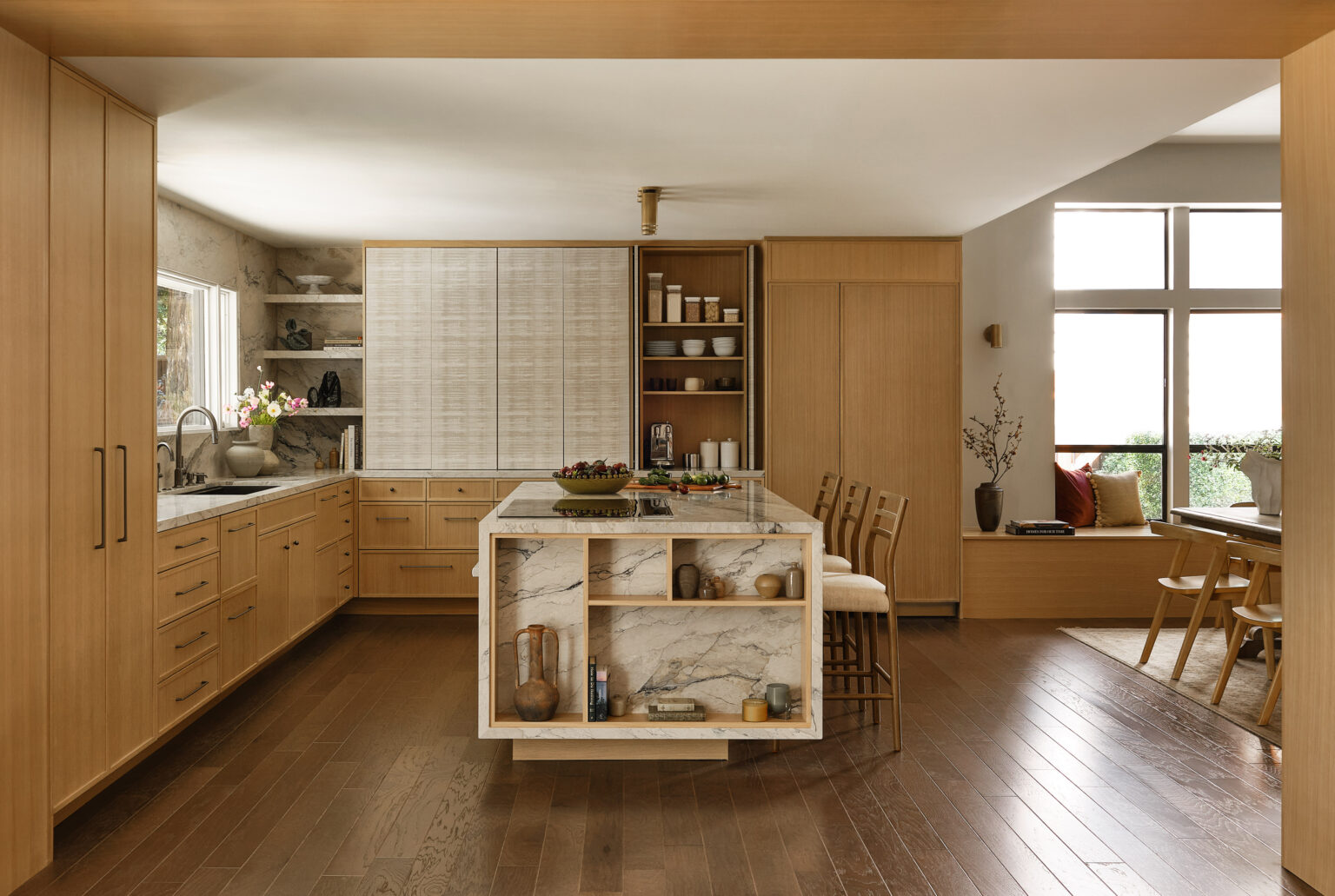
About 3mm between door edges on a typical frameless run. The exact figure matters far less than holding the same one across the whole kitchen, because the eye reads inconsistency rather than width. A steady 3mm looks deliberate; a run varying between 2mm and 4mm looks like a mistake.
| Reveal | How it reads | What it means for the doors |
|---|---|---|
| About 3mm, consistent | Deliberate. The eye stops noticing the gaps | Doors sized to the opening plus overlay, all to one rule |
| Tight, under about 2mm | Doors look crowded, and they catch each other opening | Any cabinet slightly out of plumb shows immediately |
| Wide, over about 5mm | Gappy. You start seeing the cabinet behind | Forgiving of error, but it looks like a cheaper kitchen |
| Inconsistent | Wrong, even when every single gap is small | Usually a measuring error repeated, or cabinets out of line |
What is the standard gap between cabinet doors?
On a typical frameless run, about 3mm between door edges. That is the number to aim for, and it is the one we work to.
But the width is the less important half of the answer. What actually decides whether a kitchen looks right is whether the same gap is held everywhere. The eye does not measure — it compares. A run of doors with a steady 3mm gap reads as deliberate. The same run with gaps wandering between 2mm and 4mm reads as wrong, even though nobody looking at it could tell you why.
Pick one number and hold it across the whole kitchen.
What is a reveal, exactly?
The reveal is the gap you can see. On overlay doors it is the space between two neighbouring door edges. On inset doors it is the gap all the way round each door where it sits inside its opening.
The word gets used loosely to mean any visible gap in cabinetry, which is why searching for it turns up carpentry definitions rather than numbers. In practice, if you are looking at a run of kitchen doors and wondering how far apart they should be, the reveal is what you are asking about.
Why does consistency matter more than the exact number?
Because a gap has nothing to be judged against except the gap next to it.
A 4mm reveal held down an entire wall is invisible within a day of living with it. A 3mm reveal that becomes 5mm at the third cabinet is the thing you notice every morning. This is why arguing about whether the correct figure is 2.5mm or 3mm is mostly wasted effort, and why getting the same figure everywhere is not.
It also has a practical consequence. If the reveal is consistent, any door can be swapped for any other of the same size. If it is not, each door has been fitted to its own particular gap and the kitchen has lost that flexibility.
How do I check the reveal on a finished run?
Not with your eye, and not with a tape.
Cut a scrap of 3mm material — a plywood offcut is ideal — and hold it in each gap down the run. Where it goes in loose, the reveal is wide. Where it will not go in, the reveal is tight. This takes two minutes for a whole kitchen and it is far more reliable than judgement, because judgement is exactly what fails on small differences.
It is also the fastest way to find the one cabinet that is out of line, which is usually the real cause when several reveals nearby are all slightly wrong.
How does the reveal set the size of my doors?
Directly, and this is where it matters most when ordering.
Door size comes from the opening plus the overlay on each side, and the reveal is what is left over between neighbouring doors once those overlays are set. Change the reveal you want and you change every door size in the order.
The trap is that the error repeats. Get the reveal wrong by a millimetre and you have not made one mistake — you have made the same mistake on every door, and it compounds down a run. Because doors here are cut to your dimensions in sixteenth-of-an-inch increments rather than rounded to a stock size, there is no slack anywhere to absorb it.
This is the single best reason to check the reveal before ordering rather than after the doors arrive.
Can I adjust the reveal after the doors are hung?
Within limits, yes. A concealed hinge moves the door side to side, in and out, and up and down, so a small inconsistency can be dialled out once everything is hanging.
The order to work in matters, or you will chase the same gap three times. Get the boxes level and flat first. Hang everything before adjusting anything, because adjusting one door against a neighbour that is itself wrong doubles the work. Then set height on the mounting plates, working from whichever door you trust most. Then even out the side-to-side reveals on the hinge arms. Then depth last, because depth changes the reveal slightly and you will want one more pass over height and side afterwards.
The limit worth knowing: if a door is out by more than about 2mm in any direction, the hinge is not the problem. The plate is in the wrong place, the plate height is wrong for the overlay, or the cabinet is out. Adjustment is for fine-tuning, not for rescuing a bad layout.
What if the gap is wedge-shaped rather than even?
A gap that is tight at the top and wide at the bottom — or the other way round — is a door pivoting, because one hinge sits further out than the other.
Fix it with the side screw on the hinge at the tight end only. Do not touch the other one. Turning both moves the door without correcting the wedge, which is how people end up with a door that is still wedge-shaped and now in the wrong place as well.
Quarter turns. A full turn of a cam is most of its range, so small moves, check, repeat.
Does inset use the same reveal?
Inset is less forgiving, because the gap runs all the way round each door against a frame rather than only between neighbours. There is nowhere for an error to hide, and every edge is on show.
If you are ordering inset doors, the reveal is part of the specification rather than something to sort out on the wall, and it is worth confirming before the order rather than assuming a default.
Frequently asked questions
What is the standard reveal for inset cabinet doors?
Tighter than overlay, and it needs deciding before the doors are made rather than adjusted afterwards. Because the gap shows on all four edges against the frame, there is nowhere for an inconsistency to hide. Confirm the figure on the order.
My doors touch when they open. What is wrong?
The overlay is too generous for the reveal, so reduce the overlay on the side screw of both hinges. If you run out of travel doing that, the plate height is wrong for your overlay and the hardware needs changing rather than adjusting.
Should the gap above and below a door match the gap beside it?
Ideally, on a run where those edges are visible together. In practice the vertical gaps between neighbouring doors are what people see, so that is the one to get consistent first.
Do I need to tell you my reveal when I order?
Not if you give door sizes, because the reveal is already baked into them. If you give opening sizes and an overlay instead, the reveal follows from those, and it is worth saying what you are expecting so we can check the arithmetic agrees.
Why do my gaps look uneven when every door is the same size?
Almost always the cabinets rather than the doors. A run that is not plumb, or a box pushed slightly out of line during installation, shows up in the gaps rather than anywhere else. Hold a 3mm offcut down the run and the odd one out will find itself.
One thought on “What is the standard gap between cabinet doors?”